Optimal Timing for Oven Installations
Determining the optimal time for oven installations depends on various factors including seasonal demand, project timelines, and environmental conditions. Typically, scheduling during periods of lower activity can lead to smoother installations and fewer scheduling conflicts.
Off-peak seasons often provide more availability for installation services, reducing delays and ensuring timely completion.
Planning installations during months with fewer construction projects can facilitate better resource allocation and coordination.
Choosing periods with moderate weather can prevent delays caused by extreme heat, cold, or precipitation.
Installing ovens during cooler months can optimize energy efficiency and testing procedures.
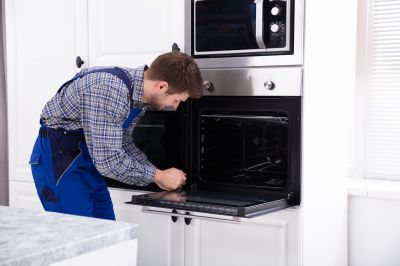
Spring offers favorable weather and moderate demand for installations, making it an ideal time.
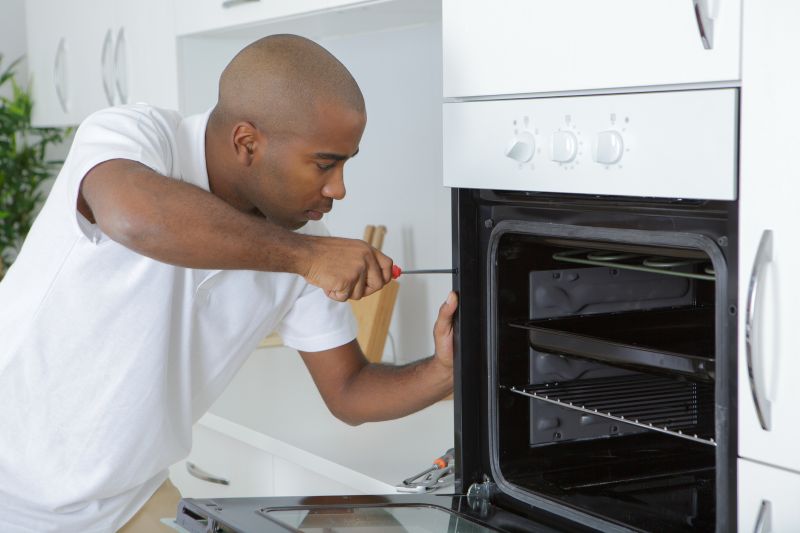
Hot temperatures can impact installation comfort and equipment testing, requiring additional precautions.
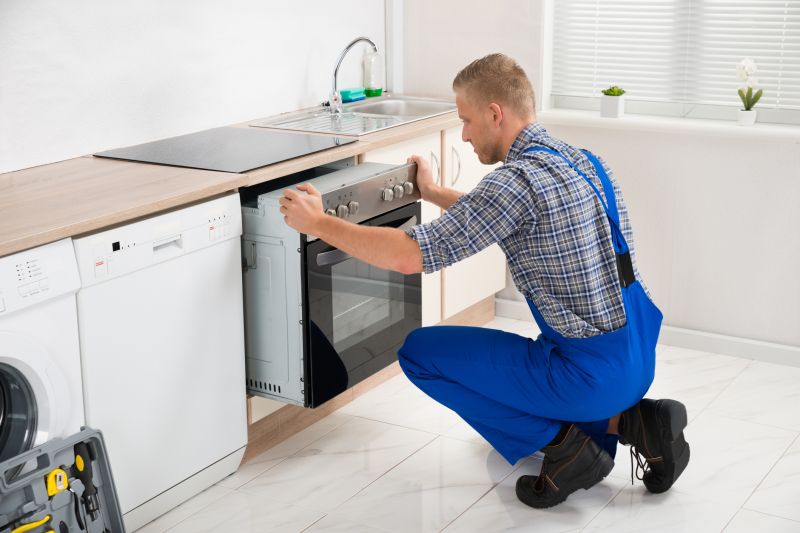
Fall provides cooler weather and less construction activity, suitable for efficient oven installations.
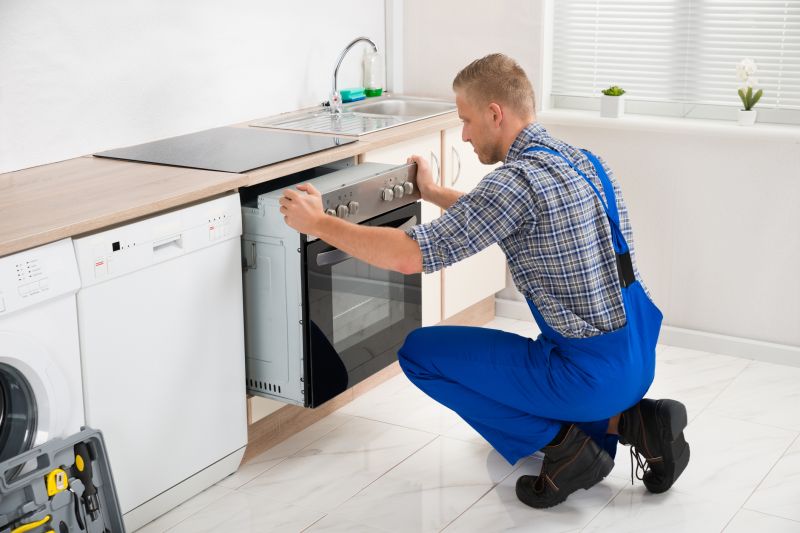
Ways to make Oven Installations work in tight or awkward layouts.
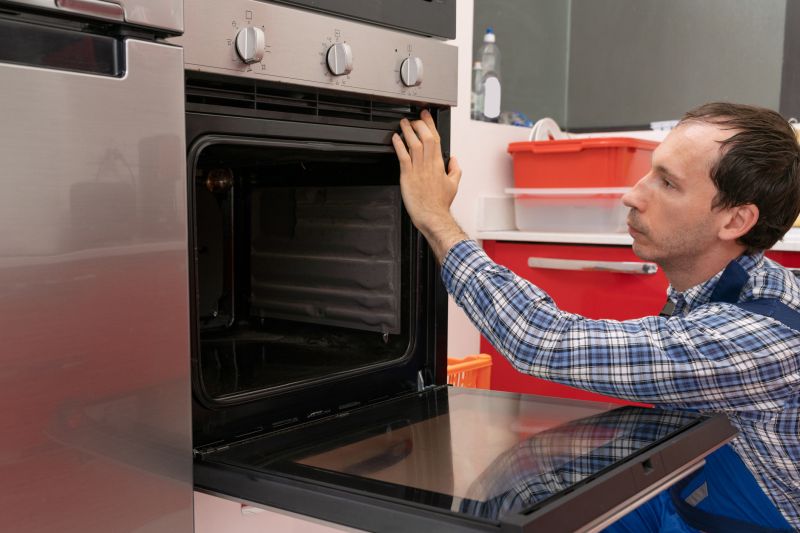
Popular materials for Oven Installations and why they hold up over time.

Simple add-ons that improve Oven Installations without blowing the budget.
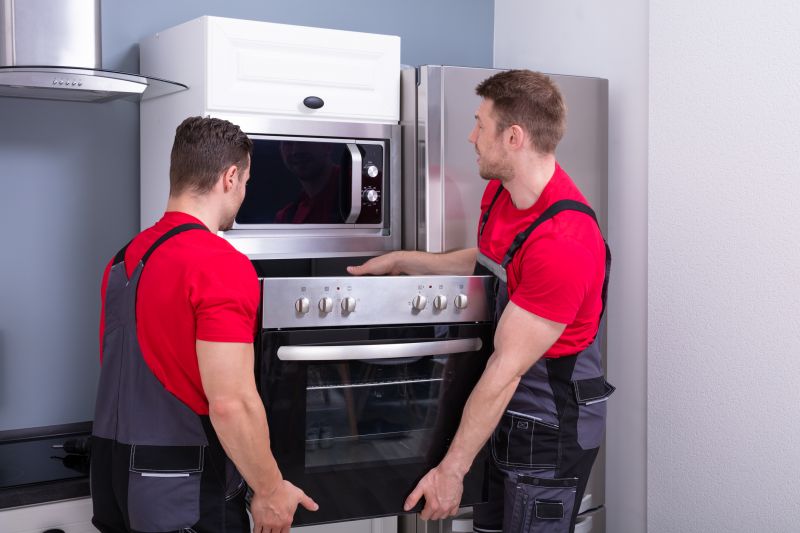
High-end options that actually feel worth it for Oven Installations.
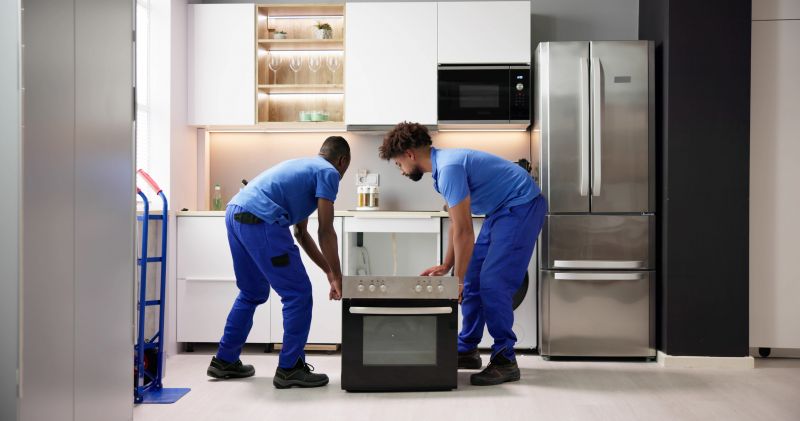
Finishes and colors that play nicely with Oven Installations.
| Factor | Impact |
|---|---|
| Weather Conditions | Moderate weather facilitates smoother installation processes. |
| Project Backlog | Lower activity periods reduce scheduling conflicts. |
| Energy Testing | Cooler months allow for more accurate energy efficiency assessments. |
| Technician Availability | Less busy seasons ensure skilled technician availability. |
| Material Supply | Off-peak times may reduce supply chain delays. |
| Customer Convenience | Aligning with customer schedules can improve satisfaction. |
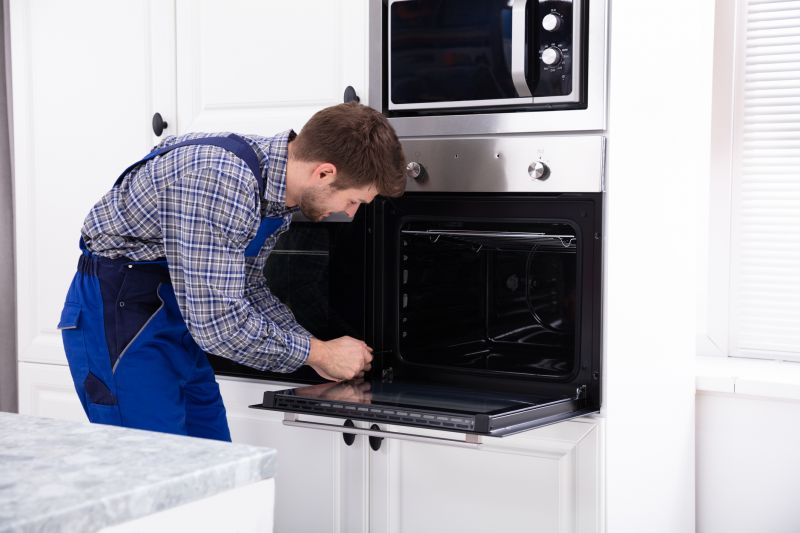
Oven installations are complex processes requiring careful planning and execution. Proper timing can influence the efficiency, safety, and quality of the installation. Factors such as weather, project schedules, and technician availability play significant roles in determining the best time for installation. Ensuring installations occur during suitable periods minimizes potential disruptions and maximizes operational readiness.
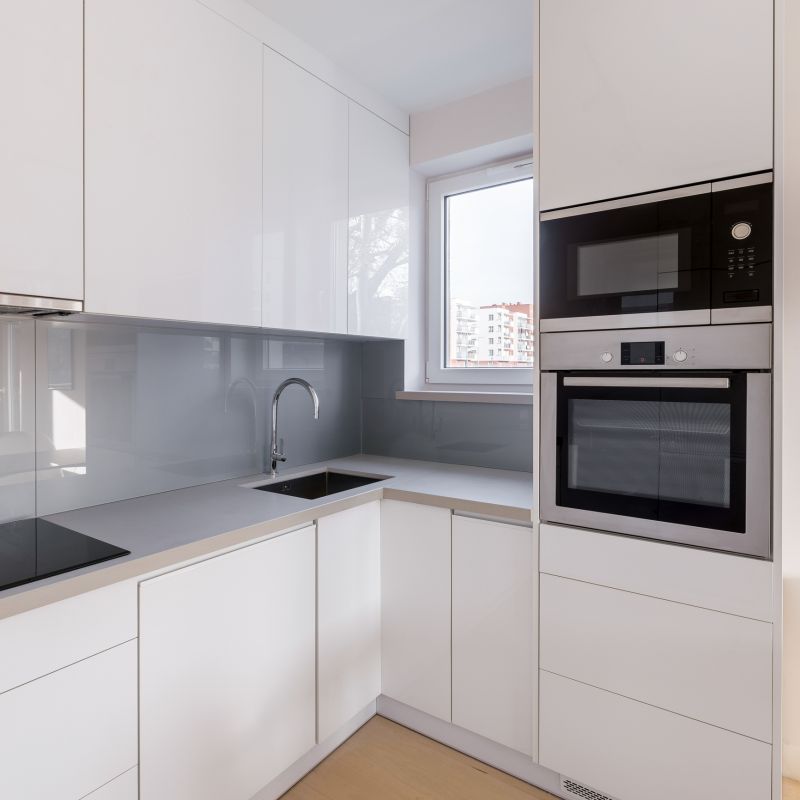
Proper site preparation is crucial for a successful installation, often best scheduled during optimal weather conditions.
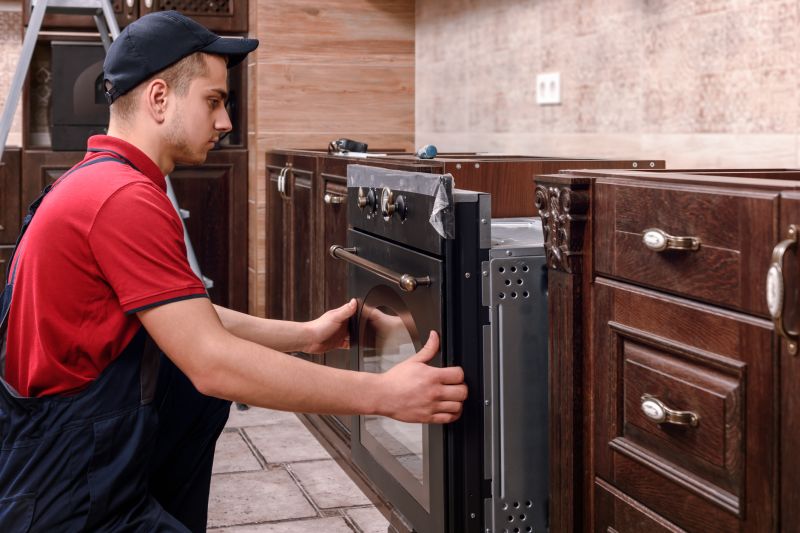
Skilled technicians perform installations efficiently during periods of lower demand.
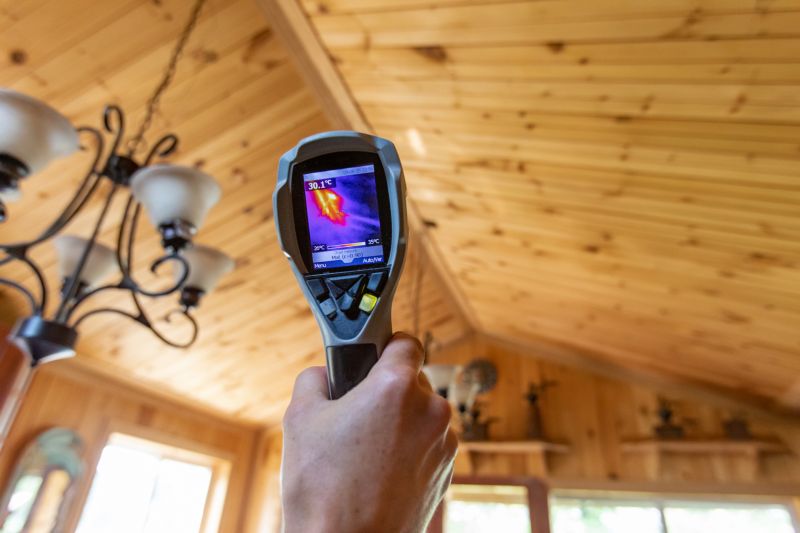
Testing is more effective when environmental conditions are stable, typically in cooler months.
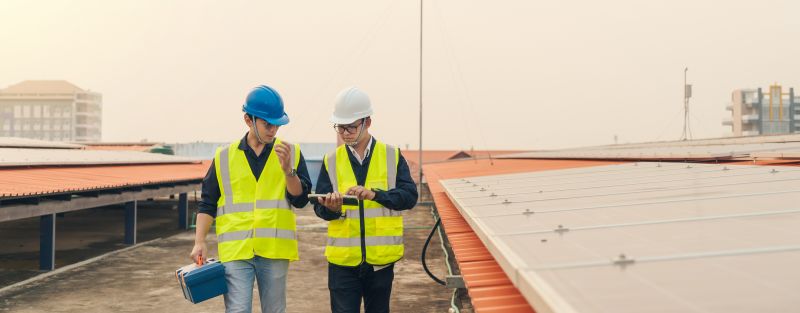
Final inspections are easier to conduct when installation occurs during favorable weather.
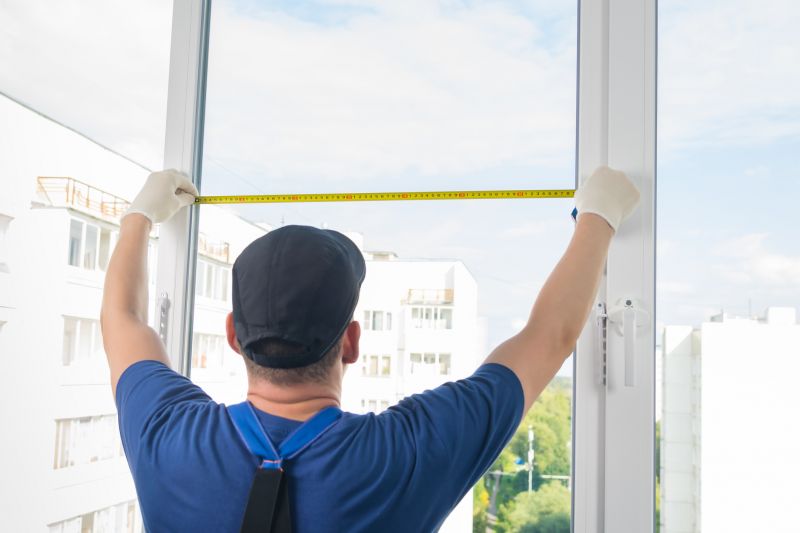
Little measurements that prevent headaches on Oven Installations day.
A 60-second routine that keeps Oven Installations looking new.

A frequent mistake in Oven Installations and how to dodge it.

Small tweaks to make Oven Installations safer and easier to use.
Interested parties are encouraged to contact for scheduling and consultation to determine the most suitable timing for oven installations. Proper planning ensures optimal performance and longevity of the equipment, making timing a key consideration in the installation process.